Medically reviewed by the Sarv Health Team · Our editorial process
How to Start a Home Medicine Garden
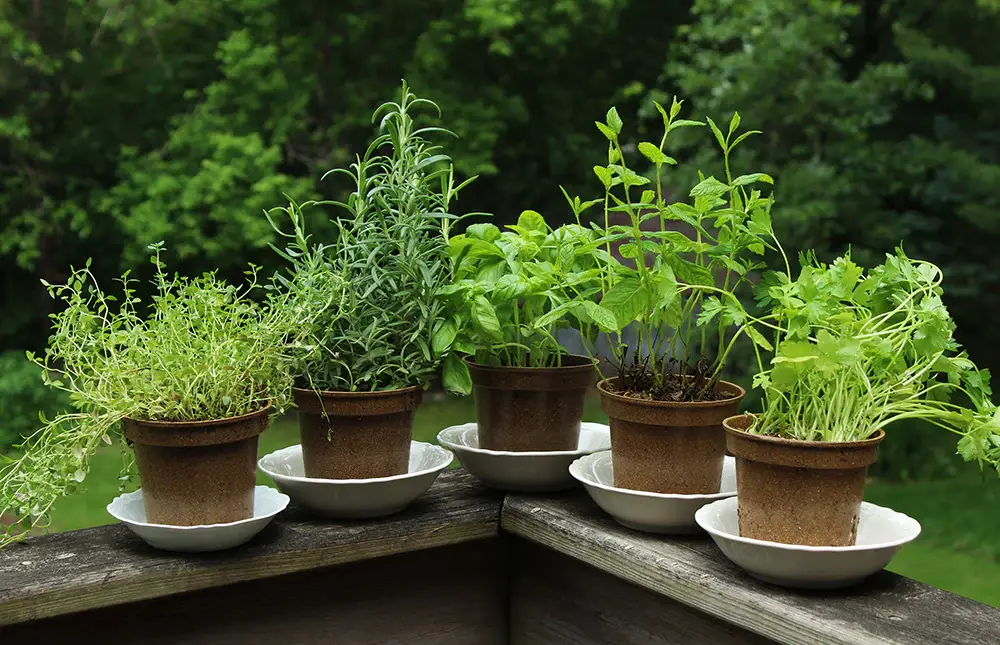
Cultivating a garden, be it filled with vegetables, herbs, or flowers, offers a profound way to connect with nature. Gardeners witness firsthand the ebb and flow of the natural world, from the germination of a seed to its full bloom and eventual re-seeding. This deep engagement with the cycles of nature echoes the foundational principles of many ancient healing traditions. Modern medicine, with its distant and often opaque production processes, can leave us feeling detached from the origins and creation of pharmaceuticals. In contrast, cultivating an herb garden establishes a tangible link to the earth and the medicinal plants it sustains, ensuring access to high-quality, naturally grown herbs.
For those who have yet to venture into herb gardening, there's no cause for concern. Many medicinal herbs are inherently resilient, thriving even under less-than-ideal conditions, much like weeds. With appropriate soil, sufficient light, and regular watering, herbs tend to prosper with ease.
Just a century ago, it was commonplace for American homes to maintain a kitchen garden that included a dedicated section for medicinal herbs. Recreating such traditional gardens not only connects us to our heritage but also provides immediate access to both healing and culinary herbs right outside our back door, inviting a step back into a time-honored practice.
Incorporating medicinal herbs into an existing garden can enrich its diversity and beauty. For example, echinacea, yarrow, and valerian can enhance a flower garden with their vibrant colors, fragrances, and aesthetic appeal. In vegetable plots, calendula, chamomile, and thyme serve as beneficial companion plants, believed to boost the health and vigor of surrounding vegetables. Additionally, culinary staples such as basil, parsley, and dill are often grouped together in a dedicated herb section, contributing both flavor and therapeutic benefits. Transforming a portion of the conventional lawn into a medicinal herb garden can be a bold move, sparking curiosity and conversation among neighbors and showcasing a commitment to sustainable and healthful living.
Soil Health
The foundation of successful gardening lies in the health of the soil. For gardeners, fertile soil is as valuable as gold. The presence of earthworms is often a good indicator of soil health. However, if your soil lacks these beneficial creatures, it may be necessary to enhance its quality before beginning your gardening endeavors.Herbs typically don't demand highly fertile soil or excessive fertilization; they have modest nutritional needs. Contrary to some beliefs, depriving medicinal plants of nutrients to enhance their potency is unfounded. Like all plants, they thrive in nutritious, well-cared-for soil.
To improve soil quality, incorporating organic compost and aged manure is beneficial. For soil that's heavy and dense, mixing in some sand can improve its texture, making it more loose and workable. Observing thriving gardens in your vicinity can provide valuable insights. Don't hesitate to inquire about soil improvement tips from neighbors or seek advice from local garden centers. It's crucial to ensure that any additions to your soil are organic. Non-organic materials may support plant growth superficially, but chemical additives can harm the soil, the surrounding ecosystem, and ultimately our health.
Tips for Designing your Garden
Starting with straightforward designs is key for beginners in gardening. Consider using a ladder or wagon-wheel layout for an easy yet effective garden structure. Simply place an old wooden ladder or a wagon wheel on top of well-prepared soil—cleared, loosened, enriched, and refined as necessary. Then, fill the gaps between the ladder's steps or the wheel's spokes with more soil, blending it in properly. Plant a different herb in each section created by the steps or spokes. This approach not only looks charming but also simplifies weeding and ensures ample growth space for each plant, making it an enjoyable activity for children too.
Raised garden beds have gained popularity, particularly in cities where past use of lawn chemicals and pollutants might have compromised soil quality. Many garden shops and home improvement stores offer pre-fabricated raised beds that are straightforward to set up—so much so that anyone can do it. These beds allow for a surprising variety of plants in compact, efficient designs. Circular raised beds with tiered levels are especially effective for maximizing limited space, creating an attractive mix of medicinal herbs, flowers, and vegetables.
For those who are more DIY-inclined, constructing a raised bed using basic materials like 2x6 lumber and nails is a feasible project. Alternatively, bricks, cinder blocks, or even mounded soil can serve as the structure for raised planting areas. The essence is to keep it simple: start with quality soil and a select number of plants. This approach will set you up for success and ignite a passion for gardening.
This article is for general wellness and educational purposes only and is not medical advice. Consult a qualified healthcare provider before using herbs — especially if you are pregnant, nursing, or taking medication.