Medically reviewed by the Sarv Health Team · Our editorial process
How to Make Medicinal Oils
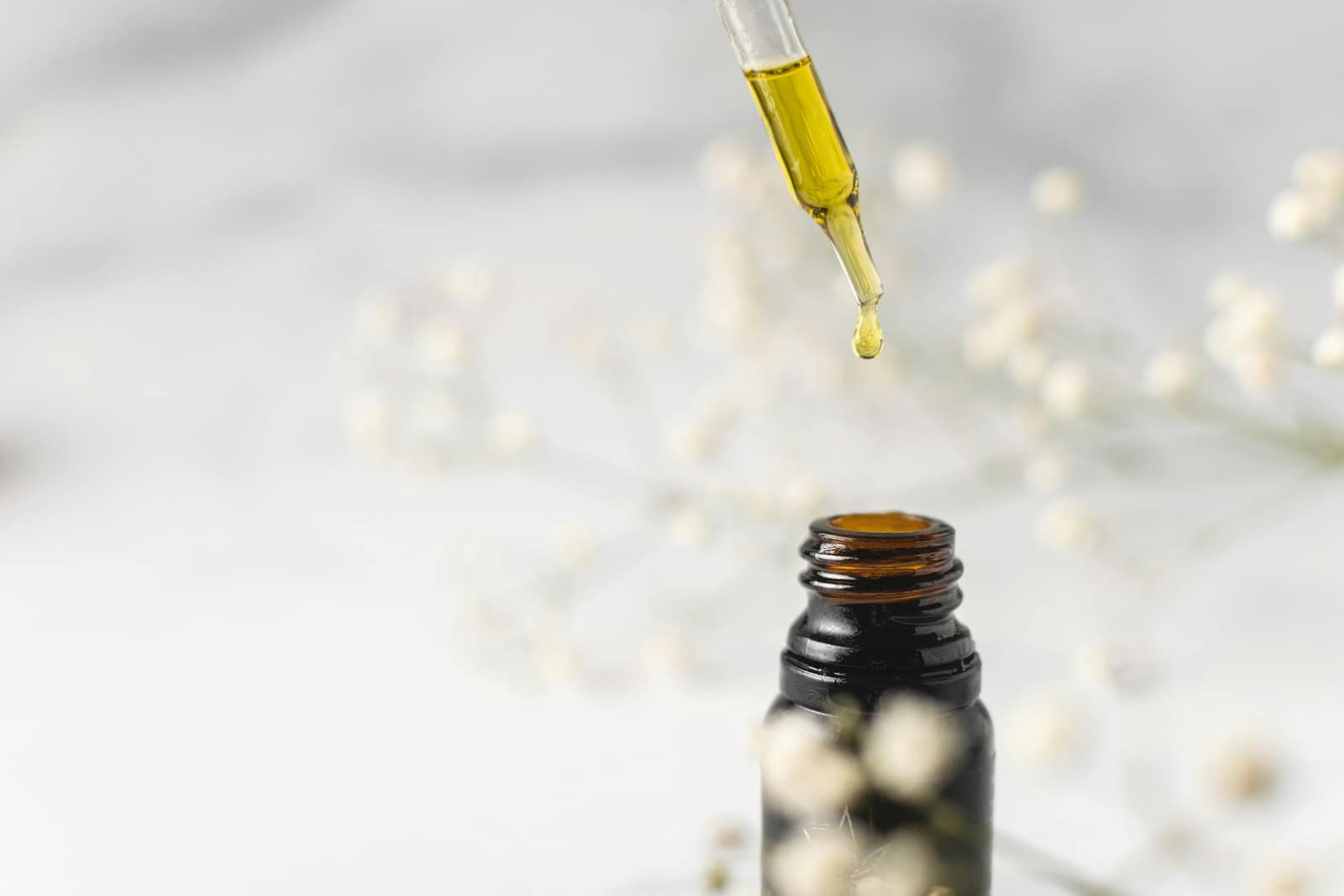
If you've ever prepared garlic-infused oil for dressings or infused olive oil with herbs to marinate a roast, then you've already created herbal oil. Essentially, herbal oil is just oil that has been infused with the essence of herbs. Crafting a high-quality medicinal herbal oil involves a few straightforward techniques, like selecting premium oil and achieving the optimal temperature to draw out the herbs' medicinal properties. These skills are quick to learn. With your own herbal oil prepared, you're just a step away from producing your own salves and ointments.
How to Choose Ingredients
Experimenting with various herb and oil blends allows for the creation of potent medicinal oils or aromatic oils for massages and baths. While any high-quality vegetable oil can serve as a base, olive oil is particularly favored for medicinal purposes due to its inherent soothing properties and its richness in oleic acid, omega-6, and omega-3 fatty acids. Olive oil's stability also means it's less prone to becoming rancid. However, it might not be the ideal choice for bath and body oils due to its heavier texture, oily feel, and subtle olive scent, but for medicinal purposes and in the making of salves, it's an excellent option.
The double-boiler technique is the most straightforward and fastest method for creating medicinal oils. However, the traditional solar infusion method is also worth exploring. The gentle process of allowing the herbs to infuse in the oil under the sun's rays can enhance the herbal properties, adding a unique quality to the oil. While there are other techniques for making herbal oils, these two methods are particularly suitable for beginners due to their simplicity and effectiveness in producing a high-quality end product.
Step by Step Approach to Make a Medicinal Oil
This efficient and straightforward technique produces excellent oil, provided the temperature is maintained correctly. A range of 95° to 110°F is ideal for this process.
- 1. Begin by finely chopping the herbs and placing them in the upper section of a double boiler. Opting for a double boiler is crucial, as direct heat from a standard pan can quickly overheat the oil, potentially ruining both the herbs and the oil. Overheated herbs and scorched oil are undesirable outcomes that can be easily avoided with the gentle heat of a double boiler.
- 2. Submerge the herbs under one to two inches of a high-quality cooking oil, with olive oil being a preferred choice due to its beneficial properties and stability.
- 3. Gradually heat the oil until it reaches a faint simmer, characterized by occasional bubbles. It's important to avoid vigorous boiling or excessive heat. Allow the oil to simmer softly for 30 to 60 minutes, keeping a close eye on the temperature to prevent overheating. The oil is ready when it adopts a rich green or golden hue and emits a strong herbal aroma, indicating that the herbal essence has successfully infused into the oil. The gentler and longer the simmer, the more potent the oil will be.
- 4. Once infused, strain the herbs from the oil using a large stainless-steel strainer, possibly lined with cheesecloth for finer filtration. Dispose of the used herbs. After the oil has cooled, transfer it to bottles for storage. Label the bottles for easy identification, ensuring to clean the exterior of the bottles before applying labels to keep them clean and legible.
This article is for general wellness and educational purposes only and is not medical advice. Consult a qualified healthcare provider before using herbs — especially if you are pregnant, nursing, or taking medication.