Medically reviewed by the Sarv Health Team · Our editorial process
Managing Sleep Issues with Nutrition and Herbal Remedies
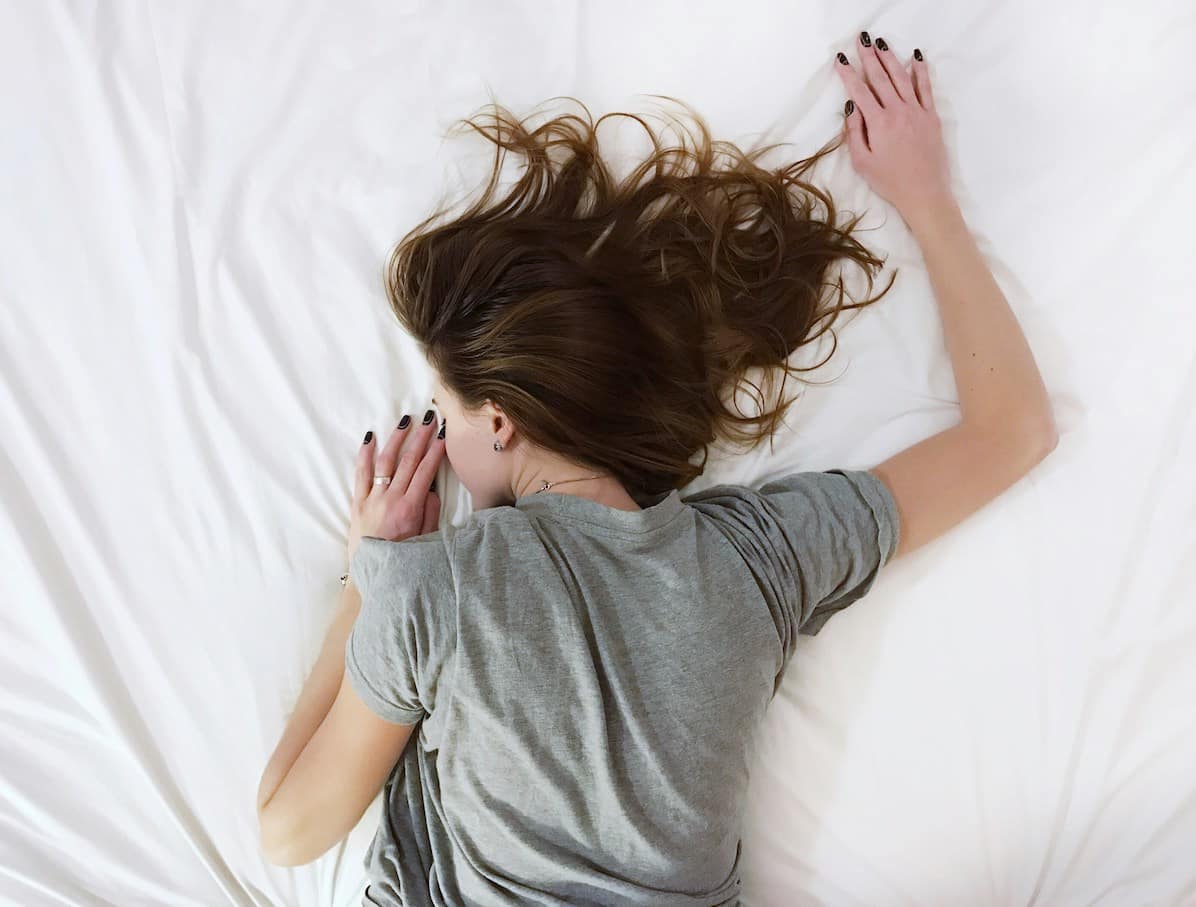
Many individuals experiencing intense stress or nervous system imbalances find their sleep patterns disrupted. Some struggle to sleep at all, experiencing only restless and fitful rest, while others sleep deeply but never feel truly rested. Both scenarios are indicative of an underlying nervous system imbalance, but they can be addressed through proper nutrition and natural herbal remedies. Achieving the right balance of rest and relaxation is crucial for the health and equilibrium of the nervous system.
It's reported that one in three Americans will encounter insomnia at some point, with stress, anxiety, depression, and physiological imbalances often cited as the primary causes. This sleep disorder can both contribute to and worsen nervous system issues. Although the body may need just a few hours to rejuvenate, the brain and nervous system require 6 to 8 hours of sleep nightly to function optimally. For those battling insomnia, there are effective strategies to mitigate the issue. However, it's vital to recognize that insomnia is a symptom of a deeper imbalance. Addressing the root cause is essential for long-term relief and overall well-being.
Natural Remedies for Insomnia: A Four-Step Approach
Step 1: Starting 4 hours before your intended sleep time, administer a 1/4 teaspoon of valerian-skullcap tincture every hour. Complement this with a calcium-magnesium supplement or indulge in a cup of High-Calcium Tea to prepare your body for rest.
Step 2: Around 20 minutes before going to bed, choose between a warm bath infused with lavender oil to relax your senses or an energizing outdoor walk. Walking barefoot on grass can enhance your connection to the earth and further promote relaxation.
Step 3: Just before bed, enjoy a warm beverage made from milk alternatives like soy, almond, or rice milk, flavored with cinnamon and honey for a comforting effect. These alternatives are chosen for their soothing qualities over their tryptophan content. Keep the valerian-skullcap tincture close by your bed as you settle in for the night.
Step 4: Should you find yourself awake during the night, resist the urge to force sleep. Attempting to push yourself back to sleep can be counterproductive. Instead, opt for a dose of 1/2 to 1 teaspoon of the valerian-skullcap tincture. Engage in low-energy activities like reading a dull book or taking a hot herbal bath, possibly accompanied by sipping on a strong nervine tea, to ease back into sleepiness.
For those facing prolonged bouts of insomnia, adopting a holistic approach to strengthen the nervous system is recommended. This includes incorporating regular massages, hand and foot baths, relaxing baths with lavender oil, and consistent daily exercise into your routine. Enhancing your sleep environment with a sleep pillow designed for comfort can also make a significant difference. Additionally, start using the Nerve Formula for Insomnia as a nightly pre-bedtime supplement, following the recipe provided. Together, these methods form a supportive regimen aimed at restoring natural sleep patterns and improving overall nervous system health.
Sleep Pillow
A particularly cherished method for promoting deep sleep involves using hops, traditionally sewn into a small pouch that is then placed inside a pillow. Known as sleep or dream pillows, this practice has been utilized for centuries to encourage sound sleep. Incorporating lavender oil into the pillow enhances the calming effects of the herbs and provides a pleasant fragrance. For those interested in more vivid dreams, adding mugwort to the blend can augment the pillow's effectiveness.
Another paragraph.
- 1 part dried chamomile
- 1 part dried hops
- 1 part dried lavender
- 1 part dried roses
- 1 or 2 drops lavender essential oil
Combine the herbs together. Fill a small pillow or pouch with the herbal blend. Place it inside your pillowcase to sleep with.
Sources
- M Adib-Hajbaghery, SN Mousavi, The effects of chamomile extract on sleep quality among elderly people: A clinical trial, Complementary therapies in medicine, 2017.
- SM Chang, CH Chen, Effects of an intervention with drinking chamomile tea on sleep quality and depression in sleep disturbed postnatal women: a randomized controlled trial, Journal of Advanced Nursing, 2016.
- Truong Hong Hieu, et al, Therapeutic efficacy and safety of chamomile for state anxiety, generalized anxiety disorder, insomnia, and sleep quality: A systematic review and meta-analysis of randomized trials and quasi-randomized trials, Phytotherapy, 2019.
- T Ghavami, M Kazeminia, F Rajati, The effect of lavender on stress in individuals: A systematic review and meta-analysis, Complementary therapies in medicine, 2022.
- S Kim, HJ Kim, JS Yeo, SJ Hong, JM Lee, The effect of lavender oil on stress, bispectral index values, and needle insertion pain in volunteers, The Journal of Alternative and Complementary MedicineVol. 17, No. 9, 2011.
- M Toda, K Morimoto, Effect of lavender aroma on salivary endocrinological stress markers, Archives of oral biology, 2008.
- I Kyrou, A Christou, D Panagiotakos, C Stefanaki, Effects of a hops (Humulus lupulus L.) dry extract supplement on self-reported depression, anxiety and stress levels in apparently healthy young adults: a randomized, placebo-controlled, double-blind, crossover pilot study, Volume 16, pages 171–180, Hormones, 2017.
- M Karabín, T Hudcová, L Jelínek, Biologically active compounds from hops and prospects for their use, Journal of Food Science, 2016.
- Gladstar, R., 2008. Herbal Recipes for Vibrant Health, Storey Publishing.
- M Kenda, N Kočevar Glavač, M Nagy, Medicinal plants used for anxiety, depression, or stress treatment: An update, Molecules, 2022.
- MG Rahbardar, H Hosseinzadeh, Therapeutic effects of rosemary (Rosmarinus officinalis L.) and its active constituents on nervous system disorders, Iranian journal of basic medical science, 2020.
- MR Al-Sereiti, KM Abu-Amer, P Sena, 1999. Pharmacology of rosemary (Rosmarinus officinalis Linn.) and its therapeutic potentials.
This article is for general wellness and educational purposes only and is not medical advice. Consult a qualified healthcare provider before using herbs — especially if you are pregnant, nursing, or taking medication.