Medically reviewed by the Sarv Health Team · Our editorial process
The Role of Herbal Medicine in Digestive Wellness and Holistic Healing
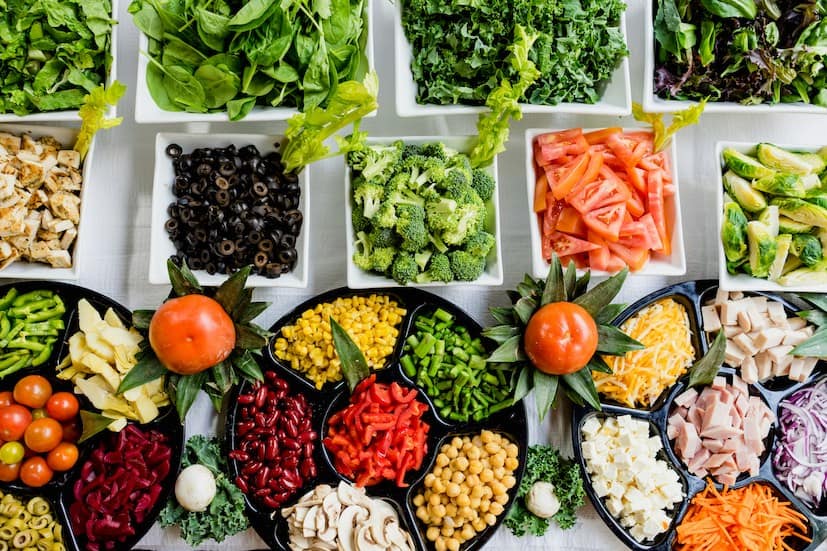
Herbal remedies are particularly effective for treating illnesses of the digestive system. Our diet, through human history, has acted as our medicine, with the herbs we eat directly benefiting our gut's lining due to their healing properties. These benefits come not just from the body absorbing and metabolizing plant compounds but also from their direct impact on the gut tissue. The prevalence of digestive issues in our society often stems from dietary abuse, characterized by a diet rich in over-processed foods, chemical additives, and the detrimental effects of alcohol, carbonated beverages, and tobacco on the gastrointestinal tract. In such scenarios, herbal treatments can be highly beneficial, offering soothing, healing, and tonifying effects that help mitigate the damage caused by these substances.
However, real healing extends beyond just treatment, herbal or synthetic, necessitating lifestyle adjustments to avoid poor dietary choices and reduce chemical exposure and stress. While herbal medicine can significantly improve severe digestive problems, sustainable health maintenance requires the individual's commitment to these changes. Herbal medicine not only provides specific treatments for certain conditions but also offers tonics and normalizers to prevent issues from arising, promoting a faster recovery and the re-establishment of balance and health. With the guidance of an experienced phytotherapist, personalized therapeutic strategies can be developed.
The ultimate goal is to preserve health and ensure overall wellness, rather than just treating diseases. Preventive medicine involves more than just taking medicinal substances, whether herbal or synthetic. Reflecting on the World Health Organization's definition of health as a state of complete physical, emotional, mental, and social well-being, not merely the absence of disease, emphasizes the importance of addressing a wide range of factors to promote wellness and prevent disease. While this book mainly focuses on herbs and their safe use, it acknowledges the significance of non-herbal factors in achieving overall health, despite not delving deeply into them due to space limitations.
The Vital Role of Nature in Digestive Health and Nutrient Supply
The most significant impact that plants have on human digestive health stems from the quality of the food we consume. Often, the line between a vegetable used in salads and a medicinal herb is merely a matter of taste preference. The human body requires over 40 different nutrients for energy production, growth, and tissue repair, all of which can be obtained from a diverse diet rich in grains, vegetables, fruits, and medicinal herbs. Clearly, maintaining a balanced diet is crucial for a healthy lifestyle, and the use of medicinal herbs is complementary to, not a substitute for, consuming high-quality foods.
- Water is the most abundant substance in the human body and is essential for life. It serves as the basis for bodily fluids like blood and lymph, facilitating the transport of nutrients into cells and the elimination of waste products and toxins.
- Carbohydrates are one of the three macronutrients (alongside proteins and fats) and serve as the primary energy source for the body. They are categorized into simple sugars and complex forms, such as the starches found in potatoes and bread.
- Proteins are crucial for the growth and repair of tissues and play a key role in producing antibodies, hormones, and enzymes necessary for the body's chemical processes. Sources of dietary protein include meat, fish, dairy, poultry, legumes, nuts, and eggs.
- Fats offer energy, protect internal organs, provide insulation, and aid in the absorption of certain vitamins. They are classified into saturated, monounsaturated, and polyunsaturated fats, each found in various food sources like meat, dairy products, and different oils. A critical subgroup of polyunsaturated fats consists of the essential fatty acids (EFAs)—arachidonic acid, linoleic acid, and alpha-linolenic acid—which are vital for cell membrane health, brain and nervous system development, and the production of eicosanoids. These EFAs, crucial because the body cannot produce them, are found in seeds, nuts, grains, legumes, green leaves, algae, meat, and fish.
- The diet also provides essential micronutrients, vitamins, and minerals, required in small quantities but crucial for preventing major illnesses due to their deficiency.
- Finally, dietary fiber, the indigestible part of plant foods, is necessary for reducing the risk of gastrointestinal issues and promoting cardiovascular health.
Sources
- NH Aboelsoud, Herbal medicine in ancient Egypt, Journal of Medicinal Plants Research, 2010.
- DM Steinhorn, J Din, A Johnson, Healing, spirituality and integrative medicin, Annals of Palliative Medicine, 2017.
- A Hung, N Kang, A Bollom, JL Wolf, Complementary and alternative medicine use is prevalent among patients with gastrointestinal diseases, Digestive Diseases and Sciences, 2015
- P Pitchford, Healing with Whole Foods: Asian Traditions and Modern Nutrition--Your holistic guide to healing body and mind through food and nutrition, 2002.
- LM Kemppainen, TT Kemppainen, Use of complementary and alternative medicine in Europe: Health-related and sociodemographic determinants, Scandinavian Journal of Public Health, 2018.
- M Wood, The book of herbal wisdom: using plants as medicines, 2017.
- D Hoffmann, Medical herbalism: the science and practice of herbal medicine, 2003.
- JE Pizzorno, MT Murray, Textbook of Natural Medicine-E-Book, 2020.
- V Nutton, Ancient medicine, 2012.
This article is for general wellness and educational purposes only and is not medical advice. Consult a qualified healthcare provider before using herbs — especially if you are pregnant, nursing, or taking medication.