Medically reviewed by the Sarv Health Team · Our editorial process
Dietary Fiber: The Essential Component of Plant-Based Foods for Digestive Health
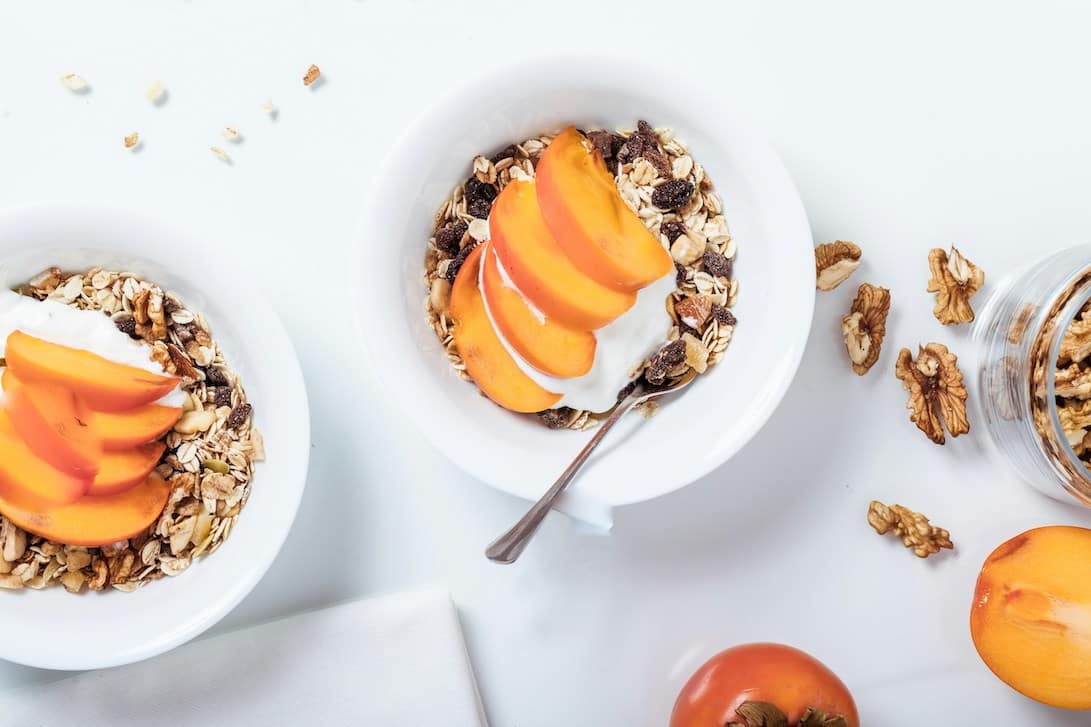
Dietary fiber, primarily found in the cell walls of plants, consists of cellulose-like materials with varying compositions depending on the plant source. It represents the indigestible portion of fruits, vegetables, and grains. Soluble fiber, which dissolves in water and forms a soft, gel-like substance in the intestines, and insoluble fiber, which largely remains unchanged as it moves through the digestive system, both play crucial roles in softening stools and preventing constipation. Unlike supplements that lack natural complexity, dietary fiber from whole foods is irreplaceable for maintaining digestive health.
A diet high in fiber is linked to reduced rates of many degenerative diseases prevalent in Western societies, a benefit that extends beyond fiber alone, as such diets are also rich in other vital nutrients often missing from the standard Western diet. Whole foods remain the superior source of dietary fiber, even though specific fiber types may be used to treat certain conditions. There is no replacement for a wholesome diet, ideally consisting of foods in their most natural state. The American Dietetic Association suggests a daily intake of 20 to 35 grams of fiber.
Benefits of Dietary Fiber
- Reduces the time food travels through the intestines
- Slows down the process of stomach emptying, leading to lower spikes in blood sugar after meals
- Enhances feelings of fullness
- Boosts the production of enzymes from the pancreas
- Adds bulk to feces
- Enhances the dissolvability of bile acids
- Increases the population of helpful gut bacteria
- Increases the generation of short-chain fatty acids
- Decreases levels of lipids in the blood
Essential Dietary Guidelines for Optimal Health and Nutritional Balance
The body requires dietary fiber, the part of plant foods that cannot be digested. A diet rich in fiber lowers the risk of various gastrointestinal issues and supports heart health. The U.S. Departments of Agriculture and Health and Human Services have set forth seven core dietary recommendations:
- Eat a variety of foods to ensure adequate intake of calories, protein, fiber, vitamins, minerals, and other essential nutrients.
- Control your weight by staying within the recommended limits for your age, sex, and body type, considering obesity as being '20%' over the normal weight.
- Eat a low-fat, low-cholesterol diet with no more than '30%' of daily calories from fat and less than '10%' from saturated fats, preferring polyunsaturated fats.
- Eat plenty of vegetables, fruits, and grains' which are nutrient-dense, high in fiber and complex carbohydrates, and low in fat. Carbohydrates should make up more than 'half' of daily calories, with '80%' of these from complex sources.
- Eat sugar in moderation' due to its high calorie content and potential to cause tooth decay.
- Use salt in moderation' as excessive salt can lead to high blood pressure, especially in prepared foods that are often high in sodium.
- If you drink alcohol, do so in moderation' because alcohol offers calories without nutrients, and excessive consumption can be damaging.
A well-balanced diet consisting of fresh fruits, vegetables, grains, and some animal protein typically makes nutritional supplementation unnecessary. However, multi-nutrient supplements might be beneficial when a good diet is hard to maintain, and are crucial during pregnancy, illness, injury, periods of intense stress, or physical activity.
Sources
- R Korczak, et al. Dietary fiber and digestive health in children, Nutrition Reviews, 2017.
- S Ötles, et al. Health effects of dietary fiber, Acta scientiarum polonorum Technologia, 2014.
- JL Carlson, et al. Health effects and sources of prebiotic dietary fiber, Current Developments in Nutrition, 2018.
- JM Lattimer, MD Haub, Effects of dietary fiber and its components on metabolic health, Nutrients, 2010.
- JW Anderson, et al. Health benefits of dietary fiber, Nutrition Reviews, 2009
- JA Marlett, MI McBurney, JL Slavin, Position of the American Dietetic Association: health implications of dietary fiber, Journal of the American Dietetic, 2002.
- WJ Dahl, ML Stewart, Position of the Academy of Nutrition and Dietetics: health implications of dietary fiber, Journal of the Academy of Nutrition and Dietetics, 2015.
- S Fuller, E Beck, H Salman, L Tapsell, New horizons for the study of dietary fiber and health: a review, Plant foods for human nutrition, 2016.
- H Palafox‐Carlos, JF Ayala‐Zaval, The role of dietary fiber in the bioaccessibility and bioavailability of fruit and vegetable antioxidants, Journal of food science, 2011.
This article is for general wellness and educational purposes only and is not medical advice. Consult a qualified healthcare provider before using herbs — especially if you are pregnant, nursing, or taking medication.