Medically reviewed by the Sarv Health Team · Our editorial process
Cinnamon-Ginger Tea for Menstrual Difficulties
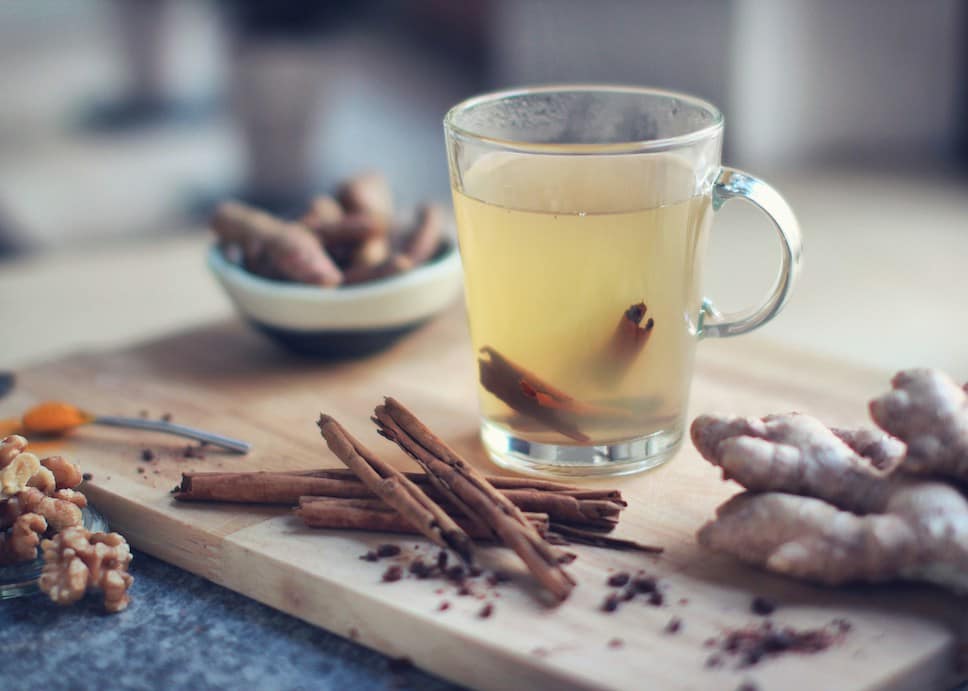
Cinnamon is celebrated for its health-enhancing qualities, notably its ability to invigorate the body and stimulate bodily functions. It plays a key role in boosting energy, enhancing blood flow, and alleviating respiratory blockages. As a digestive tonic, cinnamon excels in managing symptoms like overindulgence, bloating, and slow digestion. It stands out for its ability to regulate blood sugar, making it invaluable for maintaining glycemic balance. Beyond these benefits, cinnamon's potent antiseptic capabilities, encompassing antiviral and antifungal actions, make it a go-to remedy for combating viral and fungal infections, as well as common colds and flu. Its mild emmenagogic effect offers relief from menstrual discomfort and irregularities. Additionally, its sweet and warm taste makes it a favored ingredient to enhance the palatability of medicinal concoctions.
Cinnamon and ginger are both effective remedies for easing stomach pains and menstrual discomfort. Applying a warm compress or using a hot-water bottle on the pelvic region can also provide relief. Here's a simple recipe for a soothing tea:
Measures
- 1 teaspoon of chopped cinnamon bark
- 1 teaspoon of chopped dried ginger or freshly grated ginger root
- Optional: Honey, to taste
How to Make the Tea
To brew the tea, add 1 cup of boiling water to the herbs. Cover the mixture and allow it to steep for 30 to 45 minutes. After steeping, strain the tea and add honey to sweeten it if you like.
How to Conume
For usage, drink the tea slowly and prepare fresh batches as necessary until the cramps ease.
Safety Tips
While cinnamon is widely regarded as safe and without harmful effects (you won't typically find cautionary statements on spice jars at the grocery store), it possesses mild emmenagogic characteristics, meaning it can stimulate the uterus. This can be beneficial in prompting delayed menstruation, but it's advisable to avoid consuming it in significant quantities during the early phases of pregnancy. However, it's worth noting that there haven't been documented cases of miscarriage attributed to cinnamon consumption.
Sources
- Gladstar, R., Herbal Recipes for Vibrant Health, Storey Publishing. 2008.
- Shang, C., et al. Beneficial effects of cinnamon and its extracts in the management of cardiovascular diseases and diabetes, Royal Society of Chemistry, November 2021.
- Zare, R., et al. Efficacy of cinnamon in patients with type II diabetes mellitus: A randomized controlled clinical trial, Clinical Nutrition, Volume 38, Issue 2, April 2019, Pages 549-556
- Mang, B., et al. Effects of a cinnamon extract on plasma glucose, HbA1c, and serum lipids in diabetes mellitus type 2, European Journal of Clinical Investigation, April 2006.
- R Gladstar, Herbal healing for women, 1993.
This article is for general wellness and educational purposes only and is not medical advice. Consult a qualified healthcare provider before using herbs — especially if you are pregnant, nursing, or taking medication.